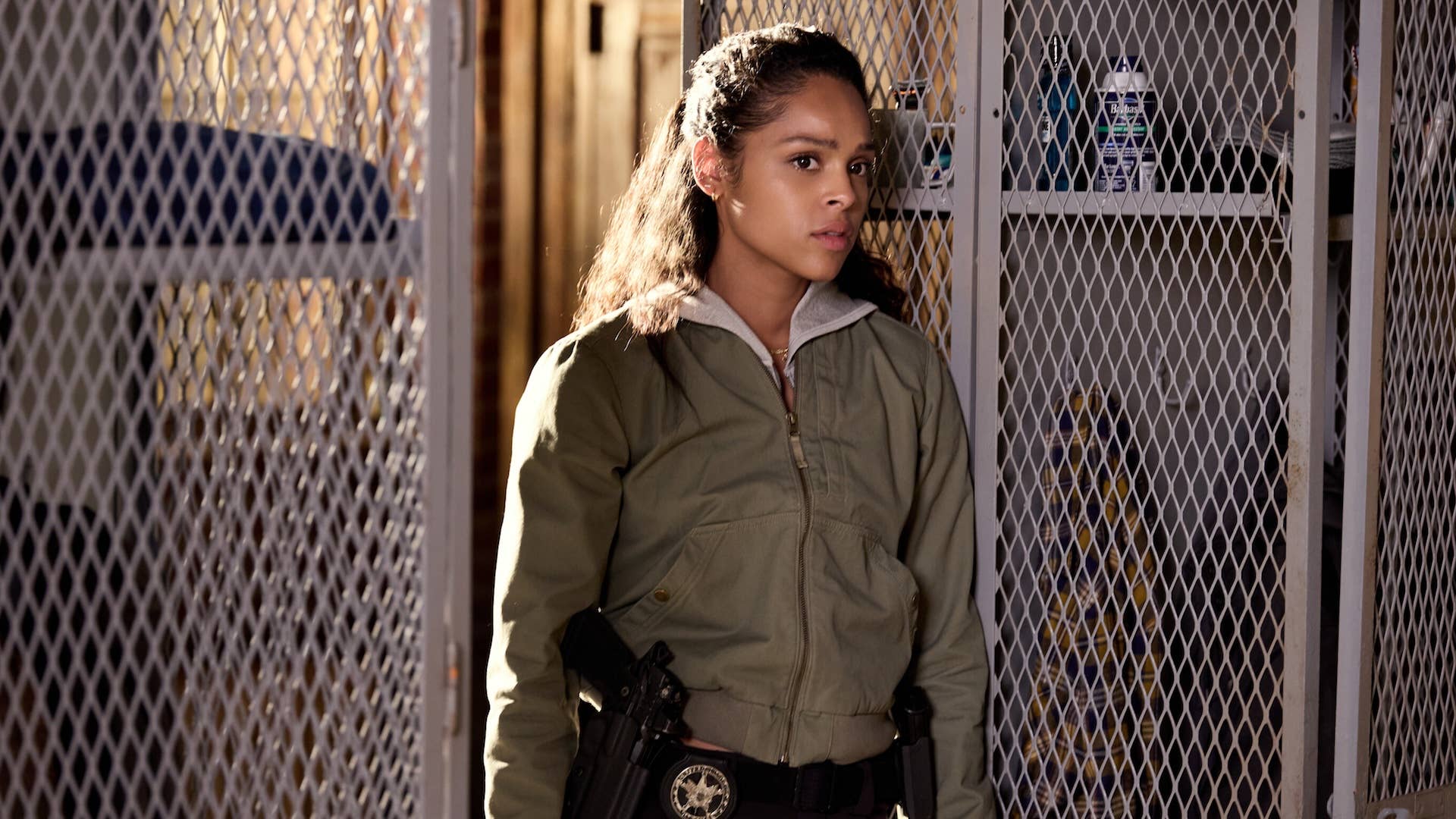
Kayce Dutton is beginning to break free from his family’s troubled past, and Season 2’s latest episode offers a powerful clue about what that could mean for his future.
After resolving the major cliffhanger from its Season 1 finale, Marshals returned for another case in Season 2, Episode 2, titled End of Watch. Although the CBS series retains the Western atmosphere of Yellowstone, its procedural format puts the spotlight on Kayce Dutton and his fellow marshals as they work together to catch dangerous criminals.
However, beneath the episode’s self-contained investigation, the series delivers a significant twist that could change how viewers understand the Dutton family legacy.
Spoilers ahead for Marshals Season 2, Episode 2.
A Cop Killer’s Revenge Leads to a Surprising Revelation

In End of Watch, the marshals pursue a rogue cop killer who has begun targeting former colleagues he believes wronged him. To stop the murders, the team must determine which active Montana police officers had connections to the fugitive.
Their investigation eventually uncovers a crucial detail about Chief Deputy Harry Gifford, played by Brett Cullen. Gifford had failed to disclose his connection to the killer because he had previously denied the man’s son admission to a police academy.
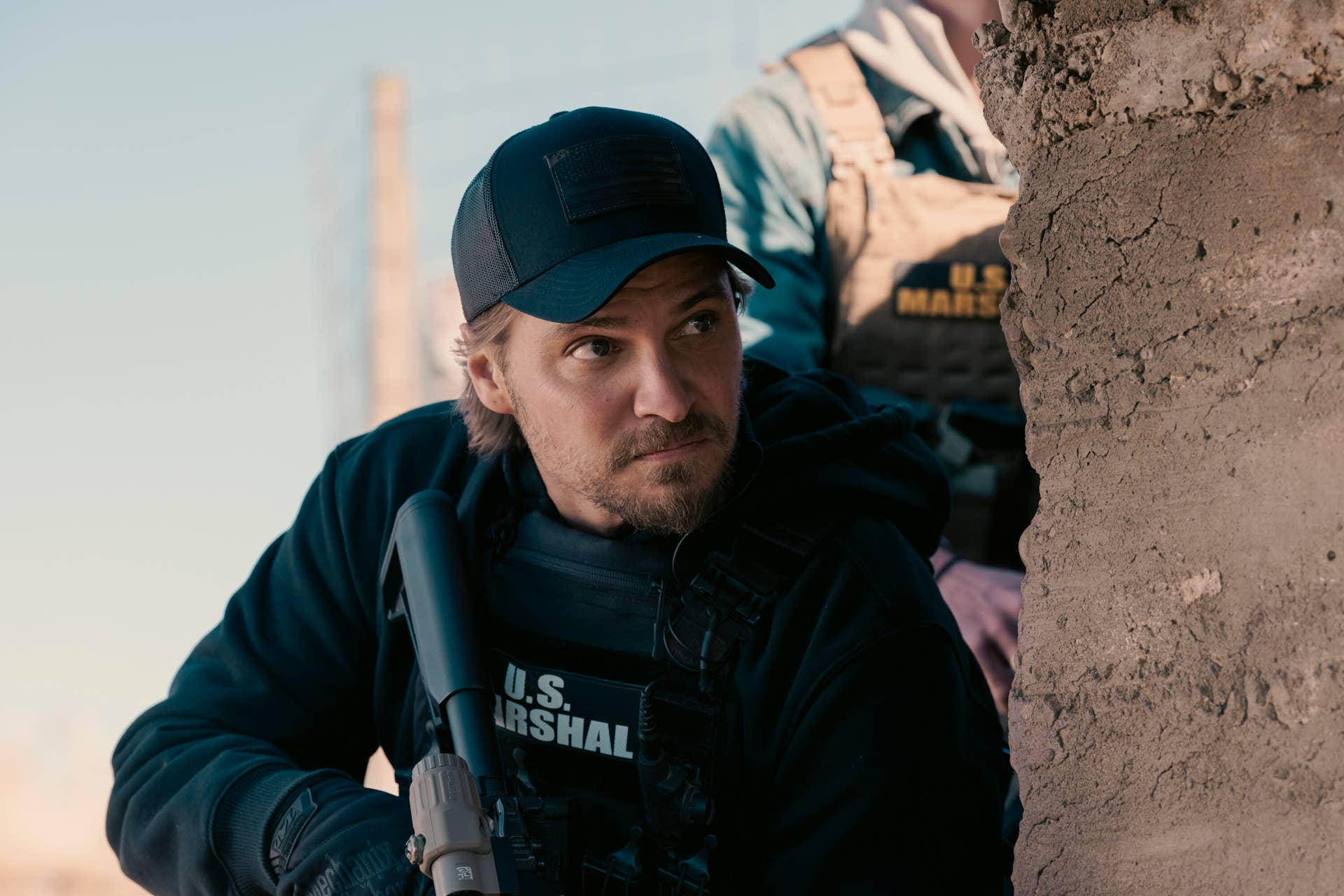
The revelation helps the marshals piece together the motive behind the killings. Kayce, played by Luke Grimes, and Andrea Cruz, portrayed by Ash Santos, ultimately take down the killer, while Kayce also prevents the man’s son from making a devastating decision.
Yet the case does more than deliver another criminal investigation. It exposes the assumptions that have shaped Gifford’s view of Kayce and the Dutton family.
Why Kayce Dutton Is No Longer Defined by His Father
When Cal, played by Logan Marshall-Green, confronts Gifford over his decision to withhold information, the chief deputy admits that his distrust of Kayce influenced his treatment of the killer’s son.
Gifford had once believed that a child would inevitably inherit a parent’s worst qualities. In his view, the poison apple does not fall far from the poison tree. But watching Kayce work as a marshal has forced him to reconsider that assumption.
The shift reflects one of the episode’s central ideas: a person’s family history does not have to determine who they become.
That theme becomes even more personal when Kayce worries about how his son, Tate, played by Brecken Merrill, is processing trauma. His concern leads him to express a fear that has followed the Dutton family for generations.
No Dutton man should become his father.
The statement is a striking acknowledgment that Kayce does not want Tate to repeat the mistakes and destructive patterns associated with John Dutton, the family patriarch played by Kevin Costner in Yellowstone.
![Marshals' Just Flipped the Legacy of 'Yellowstone' With a Subtle Twist [ Spoilers]](https://media.zenfs.com/en/men_s_journal_718/b6dd452197029256fbc8a499c9b1bded.jpg)
Thomas Rainwater Reminds Kayce He Is His Own Man
Kayce’s fears receive a direct response from Thomas Rainwater, portrayed by Gil Birmingham. Rather than allowing Kayce to define himself through his father’s reputation, Rainwater offers a simple but meaningful reminder: he knew John Dutton, and Kayce is not him.
That reassurance gives the episode’s criminal investigation a deeper significance. Gifford’s changing perspective demonstrates that people can overcome inherited assumptions, while Rainwater’s words encourage Kayce to recognize the difference between his own identity and his father’s legacy.
Even as Tate visits John’s grave, the emotional weight of the former patriarch’s presence appears to be gradually loosening its hold on Kayce’s life.
For years, the Dutton name has carried a complicated history of violence, family conflict and difficult choices. Marshals now suggests that Kayce may be able to move forward without allowing that history to dictate every decision he makes.
Could Marshals Give Kayce a Different Future?
The development does not necessarily mean the Dutton family’s legacy will disappear from the wider franchise. Beth Dutton, played by Kelly Reilly, and Rip Wheeler, portrayed by Cole Hauser, may continue to face their own struggles with the family’s past in Dutton Ranch.
Kayce’s journey, however, appears to be moving in a different direction.
Rather than focusing exclusively on the damage caused by the Dutton family’s history, Marshals is exploring whether Kayce can build something healthier for himself and his son. His work with the marshals offers a chance to prove that his surname does not have to define his character.
The episode’s twist is subtle, but its implications are significant. Kayce cannot change the man his father was or erase the consequences of the family’s past. He can, however, decide what kind of father he wants to be.
And if Season 2 continues to follow that idea, Marshals may ultimately tell a different kind of Dutton story: one in which breaking the family cycle matters more than preserving the family name.
Source: Compiled from various sources