Florence Pugh’s Cathy Ames reaches a devastating end in Netflix’s East of Eden, but her final moments reveal the childhood trauma that shaped some of the darkest decisions of her life. The multigenerational drama closes with death, family heartbreak, and a powerful message about whether people can escape the mistakes of their past.
Released on October 1, 2026, the seven episode miniseries adapts John Steinbeck’s 1952 novel of the same name. Pugh leads the cast as Cathy, alongside Christopher Abbott as Adam Trask and Mike Faist as his brother Charles. The story also features Joseph Zada and Joe Anders as Adam’s sons, Cal and Aron.
Created by Zoe Kazan, who also serves as co showrunner and co writer, the adaptation explores the complicated relationships between two generations of the Trask family in California’s Salinas Valley.
Although the series makes changes to Steinbeck’s original story, its central themes remain focused on family conflict, inherited trauma, moral choices, and the possibility of personal transformation.
Do Adam and Charles Trask Ever Reconcile?
The brothers’ troubled relationship begins long before Cathy enters their lives.
When Cathy arrives at the Trask family home in Connecticut after suffering a brutal beating, Adam immediately takes pity on her and helps her recover. Charles, however, is suspicious of the newcomer and questions her intentions.
Their disagreement exposes years of resentment between the siblings. Their father, Cyrus, favored Adam and prepared him to inherit his military legacy, while Charles struggled unsuccessfully to earn the same recognition.
The arrival of Cathy makes their relationship even more complicated. Adam eventually marries her, despite Charles’ continuing distrust. However, Cathy and Charles develop their own disturbing connection after she drugs Adam on their wedding night and sleeps with his brother. Both appear to recognize something familiar in the darkness they carry, including their shared forehead scars.
Adam later moves Cathy to California against her wishes, purchasing land in the Salinas Valley. When Cathy discovers she is pregnant, she remains deeply unhappy about becoming a mother and is uncertain about the twins’ paternity.
After giving birth to Caleb and Aron, Cathy abandons her family and shoots Adam before leaving. Although he survives physically, the experience leaves him emotionally devastated.
With help from his trusted servant Lee, Adam raises the boys alone.
Charles remains at the family farm in Connecticut, and the brothers never manage to repair their relationship. Years later, Adam attempts to reconnect, only to discover that Charles has died alone.
What Really Happens to Cathy Ames?
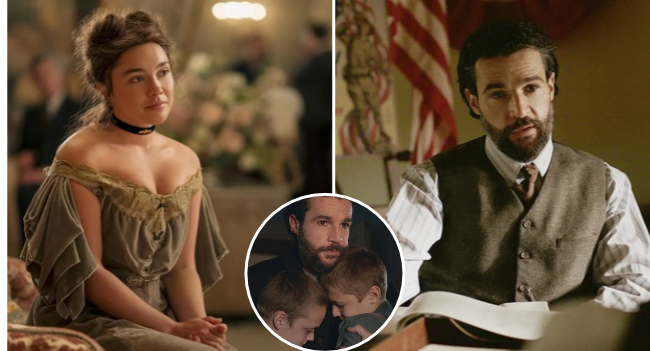
Cathy’s ending is rooted in the traumatic experiences that have haunted her since childhood.
The series reveals that she was sexually assaulted when she was just five years old. When she tried to tell her parents what had happened, they refused to believe her.
Her childhood trauma becomes part of a much darker history. Cathy eventually burns down her family’s home in an attempt to fake her own death, killing her parents in the process.
She subsequently enters sex work as a teenager and becomes involved with a brothel owner who violently attacks her. That encounter ultimately leads her to the Trask brothers’ doorstep.
Her troubled past continues after marrying Adam. Unwilling to become a mother, she attempts to end her pregnancy herself before eventually giving birth to the twins. Her decision to shoot Adam and abandon the children allows her to escape the family life she never wanted.
However, Cathy does not leave the Salinas Valley. Instead, she adopts a new identity, Kate, and begins working at a brothel operated by Faye, played by Martha Plimpton.
Faye takes Cathy under her protection and eventually names her as the brothel’s heir. But Cathy grows impatient and gradually poisons the older woman so she can take control sooner.
As the business changes under her leadership, Cathy becomes increasingly involved in blackmailing wealthy clients. She also develops an opium dependency and finds herself vulnerable to blackmail from her servant, Joe.
Her carefully constructed world begins collapsing when both Cal and Aron independently discover that their mother is still alive.
Cathy’s paranoia and emotional deterioration eventually lead to an overdose.
Her final moments bring the story back to the beginning of her suffering. Rather than focusing on the powerful woman she became, her last thoughts return to herself as a little girl reading Alice in Wonderland, shortly before the abuse that changed her life.
Pugh discussed the significance of the scene in an interview with Netflix’s Tudum, explaining how Cathy is confronted with her younger self and the beginning of the trauma that influenced her decisions throughout adulthood.
Her death does not erase the harm she caused, but it offers a final glimpse into the experiences behind her destructive behavior.
What Happens to Cal and Aron Trask?
The next generation of the Trask family eventually finds itself repeating some of the same emotional patterns that shaped Adam and Charles.
As the twins grow older, Aron becomes the favored son, while Cal struggles with the darker aspects of his personality and his complicated relationship with his father.
Both boys find support in Lee, who becomes an important parental figure in their lives.
Their understanding of their family changes dramatically when they discover that Cathy, whom Adam had told them was dead, is actually alive and running a brothel in town.
Cal is the first to confront his mother. Cathy shows little remorse for abandoning her children, but Cal responds by expressing his love for Adam and Aron while also acknowledging his pity for her.
Years later, Cal takes Aron to meet Cathy. The encounter destroys Aron’s idealized understanding of his family and leaves him deeply shaken.
Unable to process the revelation, Aron abandons college and joins the military to fight in World War I.
His decision coincides with Adam suffering a stroke. The family is then hit with another devastating loss when Aron is killed in action.
The news overwhelms Adam, who suffers a second stroke and becomes paralyzed. With his health deteriorating and his son gone, Adam is left facing the final chapter of his life.
What Does Timshel Mean in the Ending?
The series’ most important message comes in Adam’s final moments with Cal.
After Aron’s death, Cal is consumed by guilt. He believes his actions contributed to the destruction of his family and struggles to forgive himself.
He eventually returns to his father’s bedside and attempts to confess his perceived failures. Before Adam dies, he manages to give Cal one final word: Timshel.
Lee later explains that the Hebrew word means thou mayest, expressing the idea that people have the ability to choose between good and evil rather than being permanently defined by their past.
The message becomes especially meaningful for Cal, who has spent much of his life fearing that he inherited his mother’s darkness.
Instead of accepting that his family’s history determines his future, he is given the possibility of making different choices.
Creator Zoe Kazan also discussed the significance of the concept with Tudum, emphasizing the importance of recognizing that people remain capable of change regardless of what they or previous generations have done.
Cal’s final gesture reinforces that idea. He visits his mother’s grave and leaves flowers, suggesting that he is beginning to confront his complicated feelings about Cathy rather than allowing her actions to define the rest of his life.
Ultimately, East of Eden ends with a message that extends beyond the Trask family’s tragedy: the past can shape a person, but it does not have to determine who they become.
Source: Compiled from various sources.