Why House of the Dragon Keeps Rewriting Fire & Blood — And What It Means for Season 4
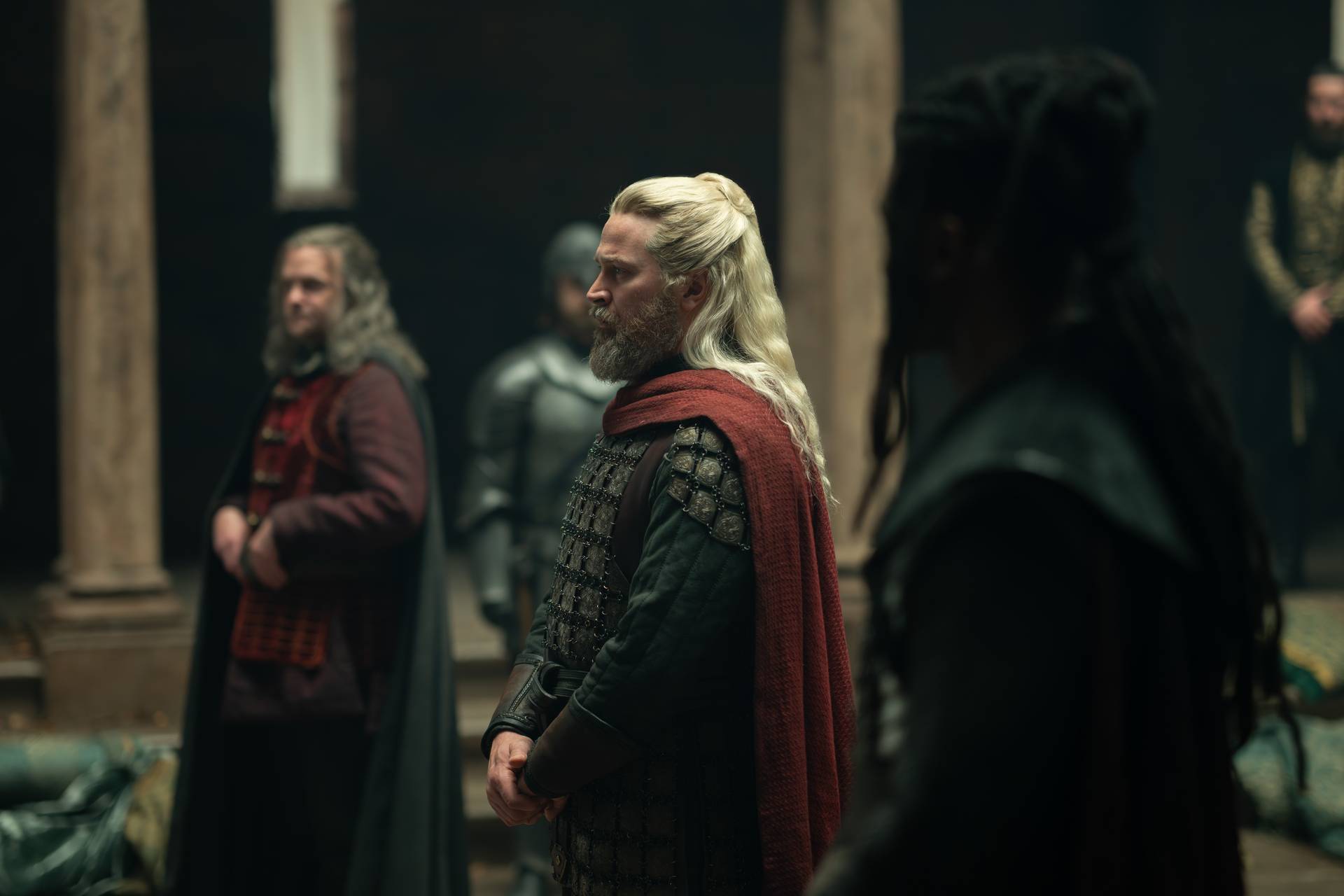
The Season 3 finale of HBO’s House of the Dragon shocked book readers by altering one of the most pivotal moments from George R.R. Martin’s Fire & Blood. The episode staged the Battle of Tumbleton, but stripped away Hugh Hammer’s defining act: his audacious self-coronation.

What Changed at Tumbleton
In Martin’s chronicle, Hugh Hammer, a blacksmith-turned-dragonrider, crowns himself king after the battle, claiming that a bastard with a dragon has as much right to rule as any prince. His reign lasts only briefly before the Reach lords conspire to murder him, a brutal reminder of how class and legitimacy crush ambition.
The show, however, chose to compress Hugh’s arc. Instead of a political declaration, he dies as a battlefield threat. The kingship claim — a moment that crystallizes themes of birth, power, and legitimacy — was erased.
Why HBO Made the Change
Prestige television thrives on pacing and spectacle. A self-declared king would demand an extended subplot: conspiracies, executions, and fallout. Martin resolves Hugh’s rise and fall in a paragraph, but a series would need episodes. By cutting the coronation, the writers avoided dragging the war into another narrative detour, keeping focus on Rhaenyra, Aegon, and the central Targaryen conflict.
The trade-off? The show loses one of the book’s sharpest commentaries on class and ambition. As fan site Winter Is Coming put it, “House of the Dragon robbed Hugh the Hammer of his most important moment.”
The Death of Daeron Targaryen
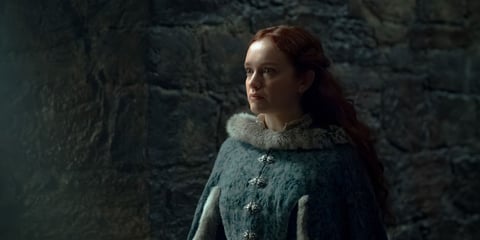
The finale also killed Daeron Targaryen, the youngest Green prince and arguably the faction’s only voice of restraint. His death, alongside his dragon Tessarion, removes the last chance for moderation in a war spiraling toward annihilation. In Fire & Blood, Daeron survives longer, offering nuance to the Greens. On screen, his elimination signals Season 4 will be darker, bloodier, and devoid of compromise.
What It Means for Season 4
- No Smallfolk Kings: By cutting Hugh’s coronation, the show sidelines questions of class rebellion, focusing instead on dynastic warfare.
- Rhaenyra’s Breaking Point: Critics noted her “crash-out” at Tumbleton — a collapse that may push her into ruthless ambition.
- Aegon and Aemond’s Rise: With Daeron gone, the Greens are left to their most destructive leaders.
- Streamlined Narrative: Expect Season 4 to concentrate on the Targaryen civil war’s climax, rather than side plots about legitimacy and rebellion.
✨ House of the Dragon has shown it will rewrite Fire & Blood when necessary, prioritizing television drama over historical detail. For viewers, that means Season 4 won’t just adapt Martin’s text — it will reshape it, ensuring the Dance of the Dragons ends not as a chronicle, but as a spectacle.