The 1980s produced some of pop music’s most recognizable female stars, with huge hits, packed tours and careers that seemed destined to remain in the spotlight for decades.
But for some of those singers, life eventually took them in a different direction.
From Kate Bush and Sheena Easton to Karyn White and Kim Wilde, these artists experienced international success before stepping back from the music industry to focus on motherhood, family or a quieter life away from constant public attention.
Their stories were not identical. Some stayed away for decades, while others eventually returned to recording and performing on their own terms.
Kate Bush chose motherhood over a faster career
Few singers defined the adventurous side of 1980s pop quite like Kate Bush.
Songs including “Running Up That Hill,” “Cloudbusting” and “Babooshka” established her as one of the decade’s most distinctive performers. Decades later, “Running Up That Hill” found a new generation of listeners after appearing in Stranger Things.
Behind the music, however, Bush was building a family life.

She welcomed her son, Bertie, with husband Danny McIntosh, and after her 1993 album The Red Shoes, she embarked on a lengthy break from music. Rather than maintaining the relentless pace expected of a major recording artist, Bush chose to devote more time to raising her young son.
During a 2005 BBC Radio 2 interview, she explained that she wanted to experience his childhood rather than miss those years because of her career.
Bush eventually returned with Aerial in 2005 and released another album in 2011, but she continued to keep her public life highly selective.
Her 2014 stage comeback was particularly meaningful because Bertie supported the project and later performed as a backing vocalist. Bush credited his encouragement with helping her overcome her fears about returning to the stage.
Sheena Easton wanted something beyond the music industry
Scottish singer Sheena Easton was another major name of the decade, scoring hits such as “Morning Train (Nine to Five)” and “Sugar Walls” while also working with music icon Prince.
By the early 1990s, however, Easton had begun moving away from the intense public life that came with pop stardom.
Family became a major part of that decision. She adopted her son, Jake, in 1994, followed by her daughter, Skylar, two years later.

Years later, Easton explained that she eventually reached a point where she wanted to change the direction of her life. Instead of spending decades repeating the cycle of making records, touring and television appearances, she wanted something more personal and ordinary.
Stepping away allowed Easton to raise her children away from the constant demands of celebrity.
Her experience offers a reminder that leaving the center of the entertainment world does not necessarily mean abandoning everything that came before. For Easton, it meant choosing a different definition of success.
Karyn White found herself choosing motherhood as time passed
Karyn White became a major R&B star in the late 1980s with the hit “Superwoman.” Her 1991 album Ritual of Love continued her success, producing another popular single, “Romantic.”
After her third album in 1999, though, White’s career entered a long period away from the spotlight.
At the time, she was going through a divorce from Terry Lewis while also raising her young daughter. She later explained that she never formally decided to quit music. Instead, time simply passed, and her life changed.
White also moved into real estate and began flipping homes while raising her daughter.
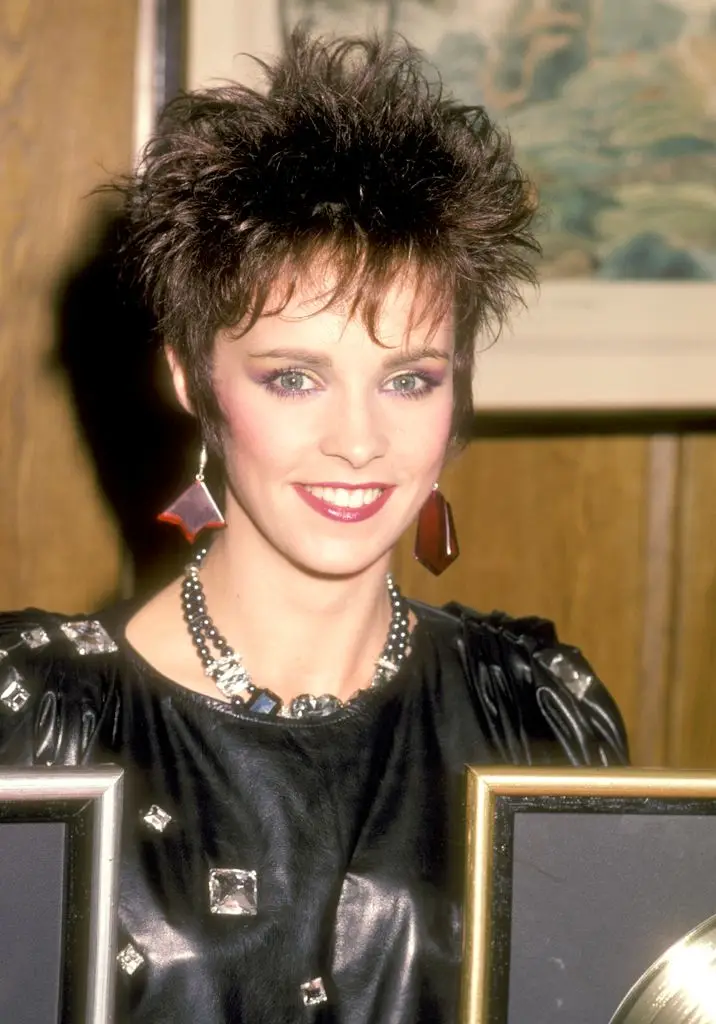
She has spoken about losing confidence and feeling as though the music industry had moved on without her. But motherhood became an important priority during those years.
By 2026, White was ready for another chapter. She returned to music with the new single “You’re Gonna Want Me Back,” marking a new phase after years away from the recording scene.
Kim Wilde discovered life beyond pop stardom
With “Kids in America” and her chart-topping version of “You Keep Me Hangin’ On,” Kim Wilde became one of the defining faces of 1980s pop.
She also experienced the enormous scale of global touring when she joined Michael Jackson on his 1988 tour.
Yet that experience helped Wilde realize how much she valued having an ordinary life when she was away from the stage. The contrast between international stardom and simple routines such as going grocery shopping without a bodyguard made an impression on her.
By the mid-1990s, Wilde had stepped back from music as her family grew.
She married actor Hal Fowler in 1996, and they welcomed two children, Harry and Rose. The couple remained married for 26 years before divorcing in 2022.

Wilde also developed a passion for gardening and worked as a landscape gardener, creating an identity beyond her career as a pop star.
Her break from music, however, was not permanent. She returned to the industry in the 2000s and continued recording, releasing her 15th studio album, Closer, in 2025.
For Wilde, stepping away from pop did not mean giving up music forever. It gave her the opportunity to build a life where music was no longer the only thing defining her.
When family became more important than fame
The paths taken by these 1980s stars were different, but their stories share a striking theme: international fame did not necessarily remain their highest priority.
For Kate Bush, motherhood influenced the timing of her music. Sheena Easton wanted to escape the repetitive cycle of the entertainment business and create a more normal family life. Karyn White found herself gradually moving into motherhood and another career before eventually rediscovering her confidence as a musician. Kim Wilde built a life around her family and gardening before returning to recording.
None of these stories is simply about “quitting” music.
Instead, they show how women who had already achieved enormous success could step away, redefine their priorities and later decide whether music still had a place in their lives.
For stars who once spent their days surrounded by cameras, packed arenas and international travel, raising children and living outside the spotlight offered something fame could not always provide: time, privacy and the freedom to decide what came next.
Source: Compiled from various sources.