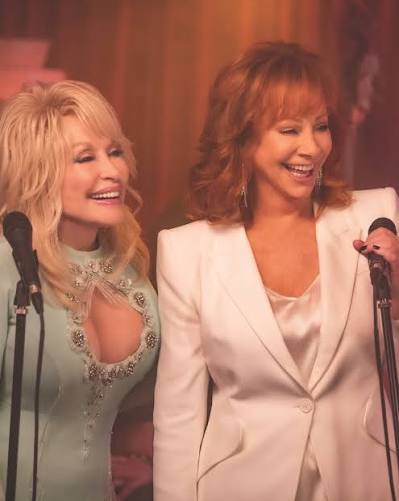
When Reba McEntire recorded a classic song about a wife confronting her husband’s other woman, she did not want another explosive showdown. Her collaboration with Dolly Parton gave the story an entirely different emotional texture.
The song centers on two women facing the same man, yet neither one needs to scream to make the tension clear. For McEntire, that restraint was the key difference between her two recordings.
McEntire had previously recorded the song with Linda Davis in the 1990s, but she later described that version as much more heated. When she revisited the material with Parton, the two approached the confrontation as a conversation between two women who understood exactly what was happening.
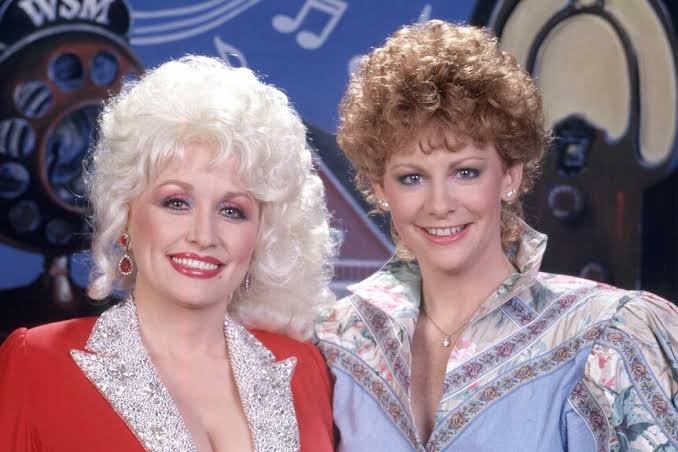
Rather than portraying them as bitter rivals, the performance allowed the women to speak with the confidence and composure of adults dealing with an uncomfortable reality. There is confrontation, but the emotional center is not hatred.
That shift gave the song a noticeably different feel. The women are not competing to overpower one another. Instead, they recognize the situation, acknowledge their shared connection to the same man and reach an understanding about what they each want.
The song itself has roots going back to 1982, when Sandy Knox and Billy Stritch wrote it for a trio Stritch was performing with. Stritch wanted a song that would give the two women in the group material they could sing together.
Years later, McEntire’s first recording with Davis brought the song to a new generation of country listeners. Her later version with Parton demonstrated how dramatically the same story could change depending on the performers and the emotions they brought to it.
With Parton alongside her, McEntire leaned into the quieter tension at the heart of the song. Instead of turning the confrontation into a battle, they made it feel like two grown women calmly facing an uncomfortable truth.
That understated approach is what makes the collaboration stand out: the conflict remains, but the anger does not have to dominate the conversation.
Source: Compiled from various sources.