The Season 3 finale of House of the Dragon delivered its biggest spectacle yet, turning the Dance of the Dragons into an explosive battle while pushing Rhaenyra Targaryen into one of the darkest phases of her reign.
After a season often defined by political maneuvering and restraint, the finale finally unleashed the dragons on a massive scale. Tumbleton became a battlefield of fire, betrayal and destruction, while Rhaenyra’s desperation in King’s Landing drove her to increasingly ruthless decisions.
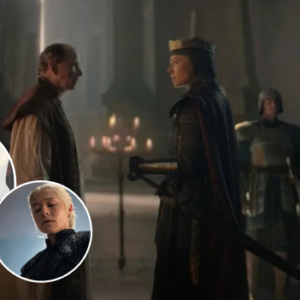
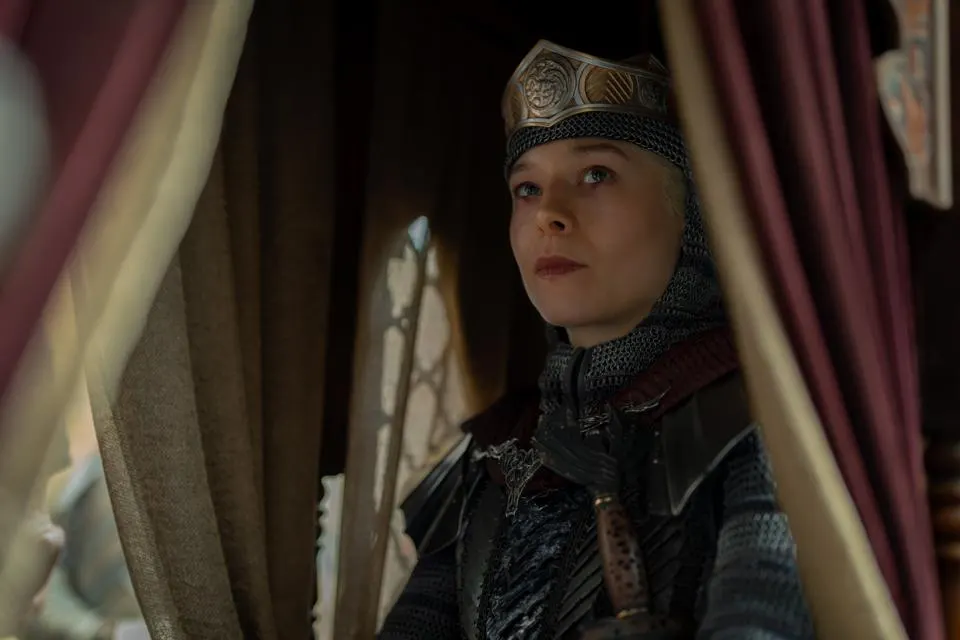
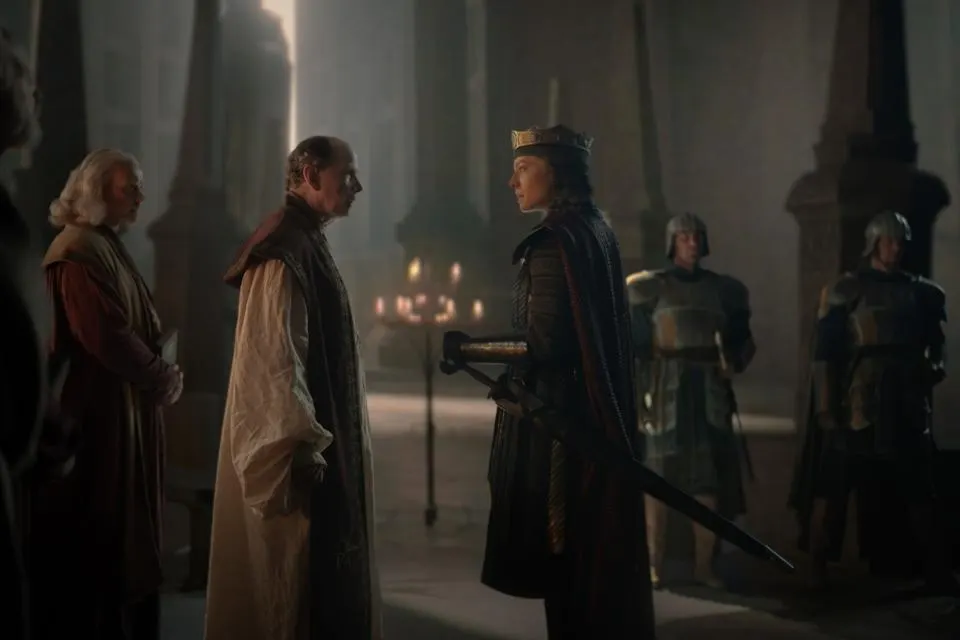
One of the episode’s most controversial moments came when Rhaenyra confronted the High Septon, demanding recognition as queen. When he refused, she ordered Ser Alyn of Hull and her guards to kill him and those around him.
But what followed was even more startling.
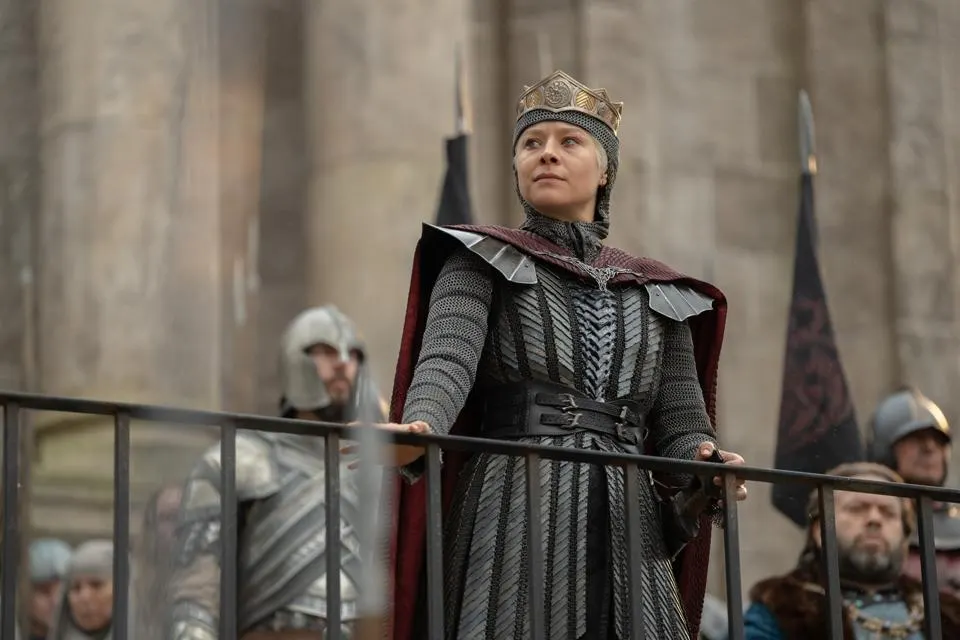
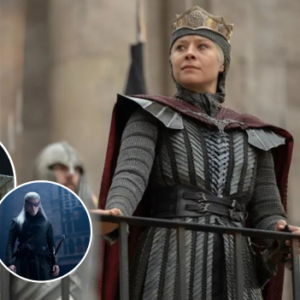
Rhaenyra stepped before a crowd wearing her crown and chainmail and publicly revealed the prophecy of Ice and Fire. She spoke of the sacred responsibility passed down through her family to prevent a great evil from destroying the world before declaring in Old Valyrian, “I am the prince that was promised.”
The moment has become one of the finale’s biggest points of debate because the prophecy has never been central to the original story of the civil war in George R.R. Martin’s Fire & Blood. Critics argue that it shifts attention away from the political struggle over succession and toward a supernatural destiny that Rhaenyra increasingly believes justifies her claim.
That belief becomes even more troubling as Rhaenyra’s relationships collapse around her.
When Helaena Targaryen refuses to eat, Rhaenyra attempts to reason with her. Helaena tells her that everything in King’s Landing is ugly and calls Rhaenyra herself ugly. Rhaenyra responds by ordering her guards to force-feed her.
She also dismisses Mysaria, despite her value as a spymaster. Almost immediately, that decision comes back to haunt her. Mysaria tells Helaena that Aegon II is alive and that her child could become a hostage.
Rhaenyra’s transformation is also noticed by Baela, who accuses her of treating people as tools. Rather than backing down, Rhaenyra confines Baela and her dragon to the Red Keep.
Then comes the finale’s most devastating death.
Helaena eventually throws herself from the Red Keep window. When Rhaenyra discovers what happened, she sees the tapestry Helaena had been working on. It depicts Helaena falling from a tower while Rhaenyra sits on the Iron Throne surrounded by fire and blood.
The image leaves Rhaenyra with a chilling glimpse of what may await her, but instead of turning away from her pursuit, she closes the window.
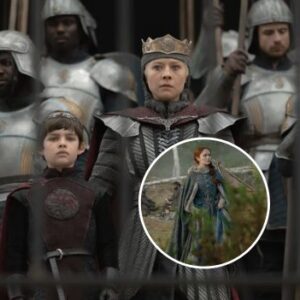
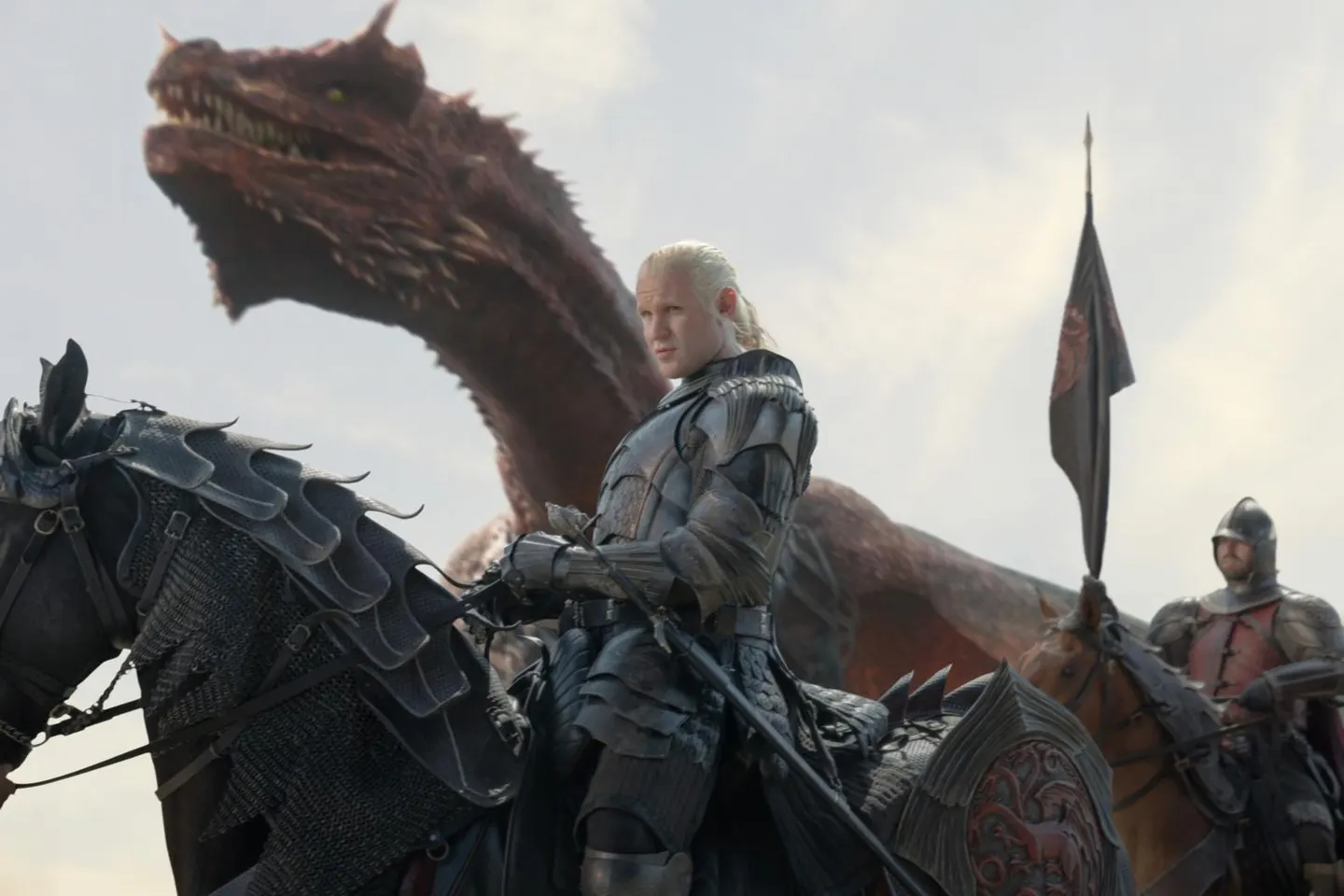
Meanwhile, Daemon Targaryen leads the assault on Tumbleton, where Lord Ormund Hightower has prepared an extraordinary defense. Children are positioned along the ramparts to discourage dragon attacks, while Ser Gwayne Hightower and Daeron attempt to negotiate a compromise that would divide control of the realm.
Daemon refuses.
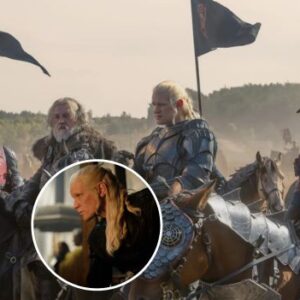
The battle that follows becomes one of the show’s largest and most spectacular sequences. The Northmen charge the city, Caraxes destroys the gate and fighting erupts through the streets as soldiers clash beneath the walls.
Then everything changes.
Ulf the White, furious after being humiliated and ordered around by Ormund, takes to the sky on Silverwing. Instead of helping the Greens, he turns his dragon against Daemon’s forces and then unleashes fire upon Tumbleton itself.
The betrayal leaves the city devastated.
Roddy the Ruin ultimately kills Ormund after fighting through the destruction, while Daemon narrowly survives a confrontation with Ser Jon Roxton. Corlys eventually finds Daemon and helps him escape.
The fate of Daeron remains unresolved. Gwayne searches through the destruction for him, while three dragons are seen flying above the city, leaving viewers questioning whether Daeron survived on Tessarion.
The episode also brings an unexpected reunion between Aegon II and Aemond.
Aegon, badly injured and disfigured, arrives at Harrenhal on Sunfyre and finds his younger brother dramatically changed. The once-arrogant Aemond now appears humbled and asks for forgiveness after previously attempting to kill his brother.
Aegon is understandably furious, but the two recognize that they now have a common enemy. Their uneasy alliance gives the Greens a possible path toward reclaiming King’s Landing.
The finale also deliberately contrasts the show’s version of events with Martin’s Fire & Blood.
In the book, Rhaenyra is even more ruthless after returning to King’s Landing, imprisoning or executing enemies and ordering investigations into those who remain loyal to Aegon. The series also changes the story surrounding Maelor, Aegon and Helaena’s son, whose fate becomes a major element of the book’s version of the conflict.
The Battle of Tumbleton itself is also substantially different. In Fire & Blood, Ulf White and Hugh Hammer both eventually betray Rhaenyra after mounting Silverwing and Vermithor. Their motives are left uncertain, with possible explanations ranging from political calculation to manipulation by Larys Strong.
The television adaptation instead gives Ulf a more direct reason for his betrayal while leaving Hugh’s future uncertain after the death of his wife, Kat.
Despite those changes, the finale’s scale impressed even its harshest critics. The series has often focused on intimate conversations, cramped rooms and political tension, but the Tumbleton battle finally expanded the story into a massive war spectacle.
The result was an episode filled with fire, betrayal, political desperation and emotional devastation.
For Rhaenyra, however, the greatest danger may no longer be simply Aegon, Aemond or the Greens.
It may be the increasingly absolute belief that she is destined to rule, even as everyone around her disappears and the cost of claiming the Iron Throne becomes harder to ignore.
The finale ultimately leaves her with the throne still within reach, but also with Helaena’s haunting warning directly in front of her.
Source: Various Sources