A Beautifully Shot Film Tackling a Disturbing History
A new drama premiering at the Karlovy Vary Film Festival is drawing attention for confronting one of Eastern Europe’s most disturbing and underreported human rights abuses, the Czechoslovakian government’s decades-long program of forced sterilization targeting Roma women.
A Story Rooted in Real Atrocity
“Only Beautiful Things to Look At,” directed by Slovakian filmmaker Ivan Ostrochovský, is set in 1980s Czechoslovakia at the height of a state-sanctioned policy designed to suppress the country’s Roma population through coerced sterilization procedures. The film opens with a haunting montage of young Roma women receiving a chillingly framed government message, describing sterilization as something meant to improve their families’ lives.

A Story Told Through the Wrong Lens, Critics Say
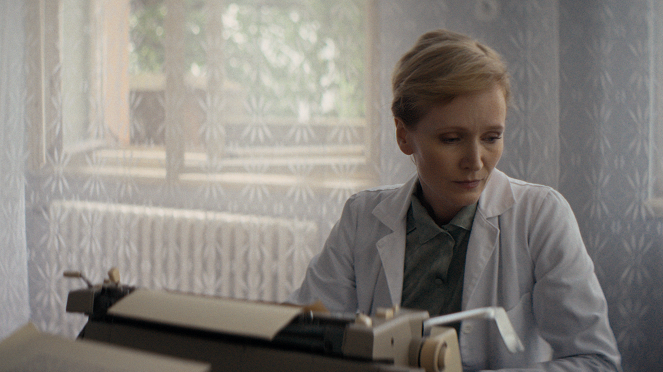
Despite its noble intentions, the film has drawn criticism for centering its narrative around Ingrid, a white doctor who performs many of these procedures herself. Rather than allowing the Roma women most affected to speak for themselves, the film largely filters their experiences through Ingrid’s slow moral awakening, a narrative choice reviewers argue distances audiences from the true weight of the atrocity.
A Life of Comfort Built Alongside Cruelty
Ingrid’s personal life is depicted as idyllic, a beautiful countryside home, quiet evenings with wine and classical music, and peaceful walks through nature. That contrast becomes especially stark given her professional role assessing and carrying out sterilizations, a procedure that left patients with a small scar critics describe the film referring to using a chillingly casual nickname.

A More Compelling Story, Left in the Background
Reviewers have pointed to Agata, a hospital orderly and Roma woman reconciling with her own identity, as by far the more compelling character. Her fractured relationship with her sister Jula, who remained deeply rooted in their Roma community, offers a far more intimate and urgent look at generational trauma, identity, and the personal cost of the sterilization policy.
A Missed Opportunity, According to Critics
Rather than exploring the long-term consequences faced by Roma women who were misled or coerced into these procedures, often without full understanding of what was happening due to language and literacy barriers, the film consistently returns focus to Ingrid’s internal journey, a choice critics say ultimately softens the horror of the history it’s depicting.
A Story That Isn’t Fully in the Past
Perhaps most strikingly, reviewers note the film risks giving audiences the false impression that this atrocity belongs to a distant, resolved past. In reality, forced and coerced sterilization policies targeting Roma women continued well into the 21st century in both the Czech and Slovak Republics.
A Visually Stunning, Emotionally Distant Film
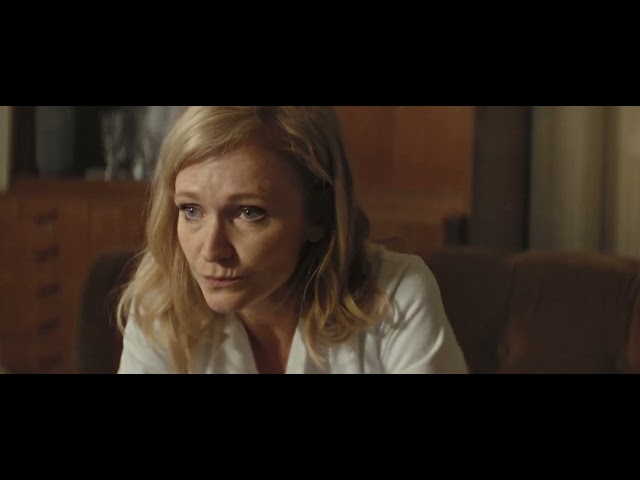
Ultimately, critics describe the film as visually rich and clearly well-intentioned, but emotionally muted by its aesthetic choices, leaving audiences with a polished, almost museum-like view of a crime whose real victims deserved a much closer, more unflinching lens.
Source: Variety