Peggy Scott finally got the wedding she deserved in Season 4 of HBO’s The Gilded Age, but the emotional ceremony almost never made it onto the screen. Actress Denée Benton, who portrays Peggy, has revealed that she actively pushed the creative team to show the wedding rather than simply move the story forward with Peggy and Dr. William Kirkland already married.
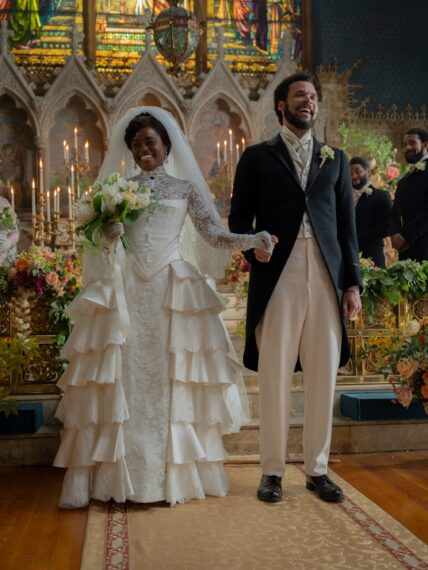
The couple’s wedding took place in the third episode of Season 4, giving Peggy a major milestone after four seasons of personal struggles, professional ambitions and complicated family relationships. For Benton, showing the ceremony was particularly important because Peggy had spent so much of her story fighting for happiness and independence.
In an interview with TV Insider, Benton explained that the production team initially debated whether the wedding needed to be shown in full. With so many storylines competing for attention, one possibility was to skip the ceremony entirely and reveal that Peggy and William had already married.
Benton and several others disagreed with that approach. They believed the audience deserved to witness the occasion, especially after following Peggy’s journey for so long.
The actress wanted the wedding to have enough time to unfold on screen, allowing viewers to experience the celebration rather than simply hear about it afterward. She also felt that Peggy, who had become a fan-favorite character, deserved a moment in the spotlight.
A Wedding That Represents Peggy’s New Beginning
Peggy’s past makes the ceremony especially meaningful. She was previously married in an elopement, but that marriage was annulled. During that relationship, she gave birth to a son and was led to believe that the baby had been stillborn. Her father, Arthur Scott, had arranged for the child to be adopted, but the boy later died of scarlet fever along with his adoptive mother.
Those experiences left Peggy with considerable emotional pain. Her wedding to William therefore represents more than a romantic milestone. It gives her the opportunity to experience a joyful family celebration surrounded by the people she loves.
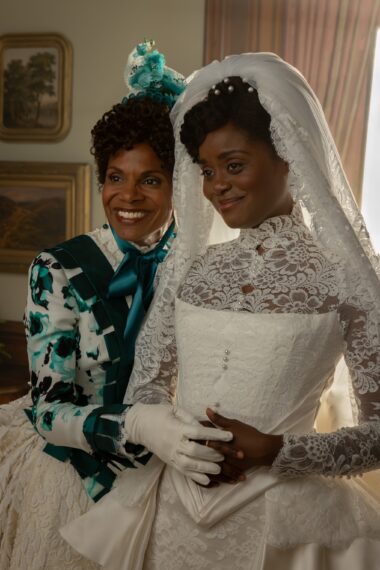
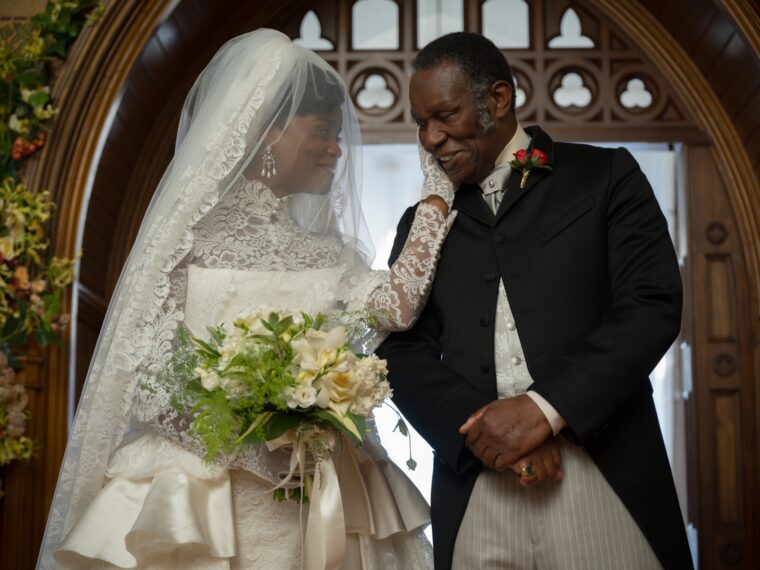
The ceremony also provides a chance for Peggy to reconnect with her parents. Her mother, Dorothy, helps her prepare for the wedding, while Arthur expresses his love and gratitude before walking his daughter down the aisle. These moments offer a sense of healing after years of tension within the Scott family.
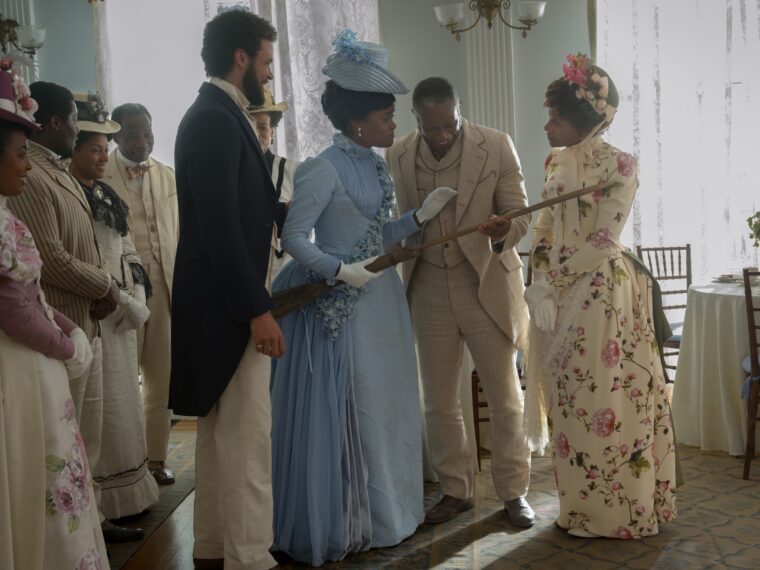
However, the celebrations are not without conflict. William’s mother, Elizabeth Kirkland, objects to the couple’s decision to incorporate the tradition of jumping over a broom into their ceremony.
The custom carries deep historical significance in African American communities. During slavery, enslaved people were not legally permitted to marry, and jumping over a broom developed as a way to symbolize a marital union. Arthur and Dorothy had used the tradition when they married before holding an official ceremony after the Civil War.
The couple’s original wedding broom becomes a meaningful family heirloom when they give it to Peggy and William for their own ceremony.
Elizabeth initially struggles to accept the tradition, reflecting the differences between the Scott and Kirkland families. The disagreement becomes serious enough that William tells his mother she should not attend the wedding if she cannot respect Peggy and her family.
Peggy eventually speaks with Elizabeth privately, making it clear that she will not abandon her values to accommodate her new mother-in-law. She explains that William’s upbringing has helped make him the man he is, and that he will stand by his wife when family disagreements arise.
Celebrating Culture and Family History
Benton believes Peggy’s confidence comes from everything she has endured. After years of sacrifice, Peggy has found a partner who respects her ambitions and embraces the parts of her identity that society might consider unconventional.
The actress also emphasized that Peggy refuses to hide her family’s history simply to gain acceptance in high society. At a time when several characters attempt to conceal their backgrounds to improve their social standing, Peggy chooses to carry her heritage openly.
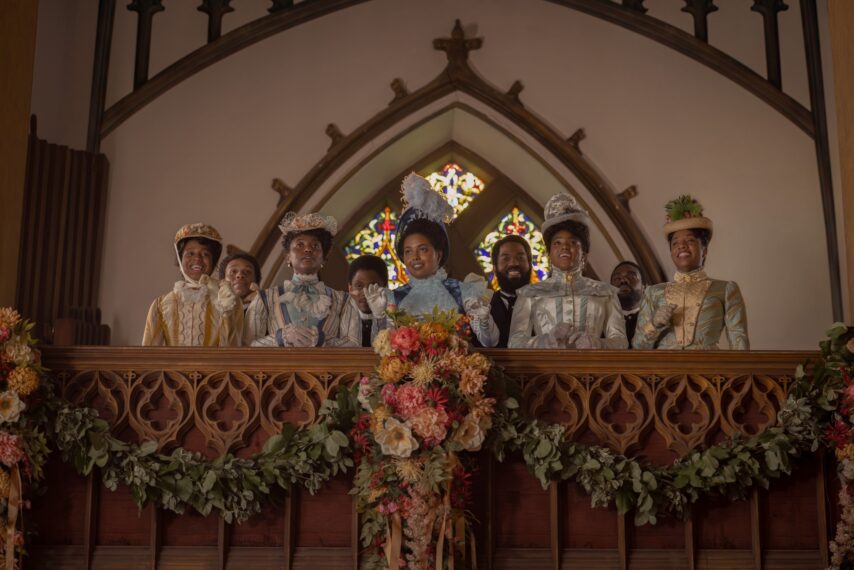
The wedding further celebrates that identity through music. Peggy’s cousin Ava, played by Adrienne Warren, brings the Fisk Jubilee Singers to perform during the ceremony. The choir performs the historical gospel songs My Lord, What a Morning and Ain’t That Good News.
For Benton, working alongside Warren and other Broadway performers made the experience particularly special. The actress described the church setting, its Tiffany glass and the period music as an immersive experience that brought the celebration to life.
Ultimately, Peggy’s wedding became much more than a romantic scene. It was a celebration of love, family reconciliation and cultural history — exactly the moment Benton believed the character and the audience deserved.
Source: Compiled from various sources