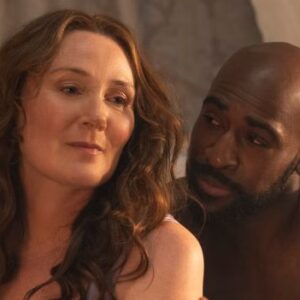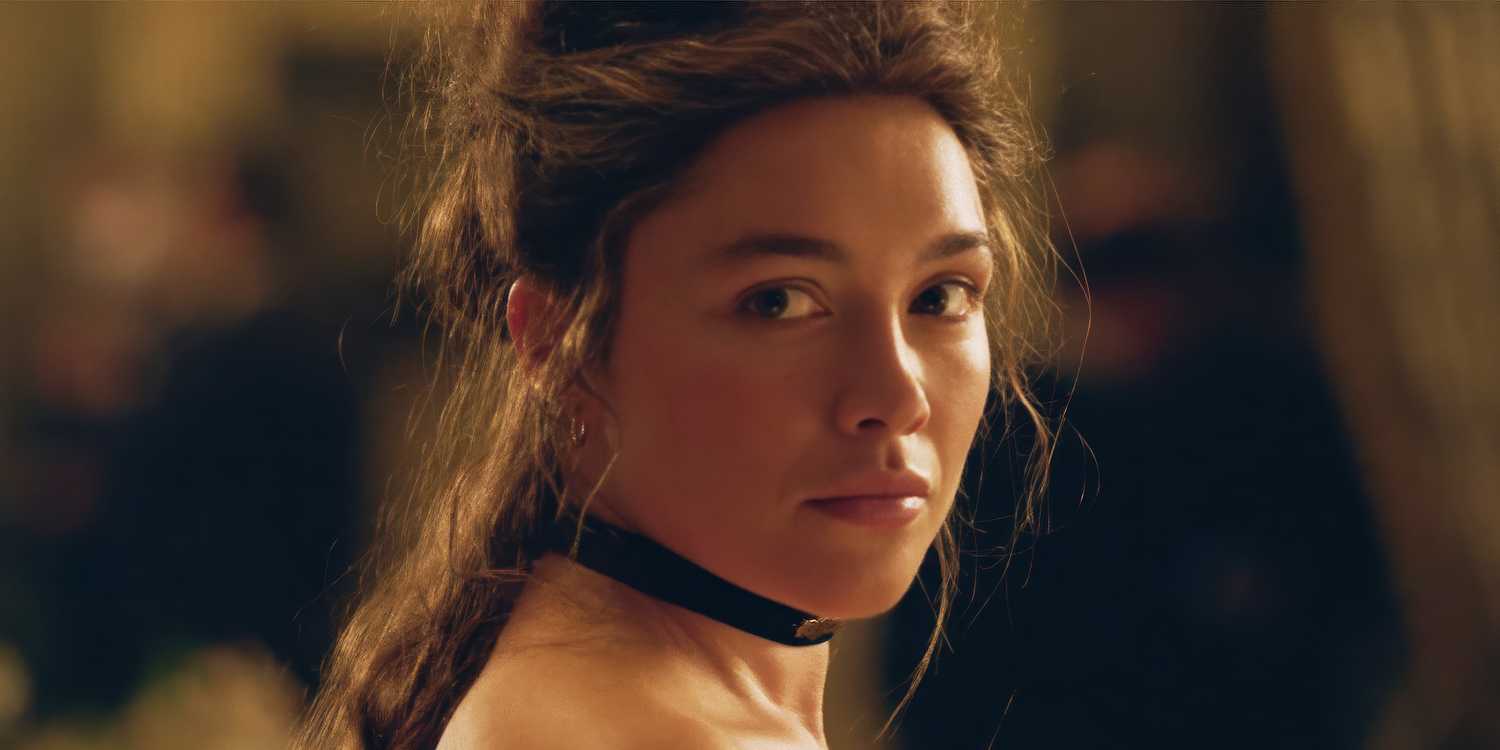
Can people escape the fate they seem destined to follow, or are their personalities and choices shaped by forces beyond their control? Netflix’s new adaptation of John Steinbeck’s East of Eden revisits that enduring question through a sprawling family drama filled with betrayal, violence and moral conflict. With Florence Pugh at the center as Cathy Ames, later known as Kate, the miniseries offers a fresh perspective on one of the novel’s most unsettling characters.
How Earlier Adaptations Approached Steinbeck’s Classic
Steinbeck’s original novel spans the period from the American Civil War to the end of World War I. Its story follows generations of feuding brothers, an Irish immigrant family, a Chinese caretaker and a manipulative young woman whose cruelty deepens as she grows older.
Running through these intertwined lives is a central question: Are people destined to become who they are, or can free will overcome their nature?
The first major film adaptation, directed by Elia Kazan in the 1950s with Steinbeck’s input, significantly narrowed the novel’s scope, omitting roughly the first three-quarters of the book. The film begins with Cal Trask searching for his mother, who abandoned the family after giving birth to twin boys. Cal and his brother, Aron, echo the biblical story of Cain and Abel, embodying the struggle between opposing moral forces.

James Dean’s charismatic performance as Cal helped make the film memorable, even as its limited scope left much of Steinbeck’s broader story unexplored.
A 1981 ABC miniseries took advantage of its six-hour runtime to restore more of the novel’s characters and subplots. The Hamilton family received greater attention, while Lee, the Chinese caretaker, emerged as a particularly wise and perceptive presence.
The adaptation also placed Cathy at the heart of the drama. Played by Jane Seymour, she was portrayed as an almost entirely malevolent force who gives birth to unwanted twins, shoots her husband and abandons her children.
Zoe Kazan Gives Cathy A New Voice
The latest adaptation, developed by Zoe Kazan, approaches the material from a different angle. At approximately seven hours, the Netflix miniseries is slightly longer than the 1981 version, but it largely removes the Hamilton family from the story. As a result, it does not necessarily offer a more complete adaptation of Steinbeck’s novel.
Nor is it the first screen version to explore the story through a feminist perspective. The 1981 miniseries had already given Cathy a prominent role. However, Kazan’s interpretation goes further in examining how Cathy develops from a young girl into Kate, a prostitute who uses manipulation to maintain control over others.
Florence Pugh plays Kate, bringing greater context to the character’s behavior and giving her a voice that earlier adaptations did not provide to the same extent.
Rather than relying on narration to explain Kate’s childhood and motivations, the new series allows Kate herself to tell her story. She delivers this account while listening to a lecture by the man she is preparing to target, creating an unsettling contrast between her self-presentation and her intentions.
Pugh’s interpretation is also more glamorous than earlier portrayals, which depicted Cathy as an older woman with visible physical deterioration. Yet the character’s capacity for cruelty remains central to the drama.
An Unflinching Look At Power And Violence
Despite its new perspective, the miniseries preserves the disturbing intensity of Steinbeck’s story. Confrontations between characters can be deeply uncomfortable, even when they do not involve physical violence.
The Netflix version also includes more sexual content and nudity than earlier adaptations. These scenes, however, are frequently presented without romantic idealization. Many emphasize emotional distance, coercion or a lack of genuine desire rather than intimacy.
One particularly unsettling sequence occurs on the night Cathy marries Adam Trask, played by Christopher Abbott. She leaves Adam’s bed and enters the adjoining room to sleep with his brother, Charles, who is understandably shocked by her actions.
The scene reinforces the destructive dynamics that define the family and highlights how personal relationships become entangled with manipulation and betrayal.
Florence Pugh Leads A Strong Ensemble
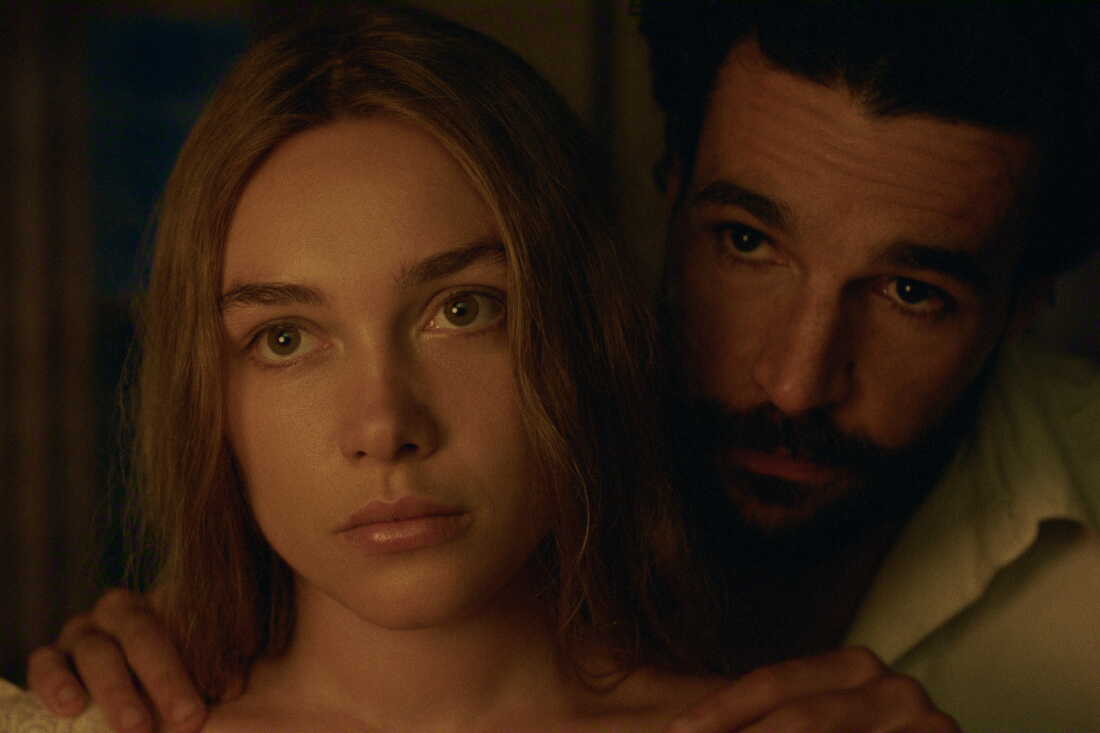
Pugh’s performance as Kate is a major focus of the adaptation, much as Seymour’s portrayal of Cathy stood out in the 1981 miniseries. Pugh brings complexity to a character whose actions are difficult to excuse, while the expanded attention to her perspective encourages viewers to consider how she understands herself.
The supporting cast also makes a strong impression. Hoon Lee plays the family’s Chinese manservant, Lee, whose insight and wisdom provide an important counterpoint to the conflicts around him. Martha Plimpton appears as Kate’s madam, adding another compelling presence to the story.
Together, the performances help ground the adaptation’s exploration of human nature in relationships shaped by secrets, resentment and competing desires.
Ultimately, the new East of Eden returns to Steinbeck’s fundamental question about whether people can overcome the darker sides of their nature. Even after the story’s deaths, suffering and destructive choices, the miniseries leaves room for the possibility of a more hopeful ending.
Source: Compiled from various sources