Christa Pike is conscious and speaking after surviving two failed lethal injections, but a doctor advising her legal team says she has no apparent memory of the execution itself.
Pike, 50, is believed to be the first death-row inmate to survive a lethal injection. She regained consciousness after being rushed to a hospital following the botched execution at Tennessee’s Riverbend Maximum Security Institution on Sept. 30.
Dr. Joel Zivot, an anesthesiologist who has advised Pike’s attorneys, said she can remember some moments from her hospitalization but does not appear to remember the execution attempt.
“She has some memories of being in the hospital but no memory, I believe, of the execution attempt,” Zivot told the BBC.
Pike Can Communicate, but Remains Confused
According to Zivot, Pike is able to communicate in a “basic way.”
She has also shown signs of confusion about the date. Zivot said Pike incorrectly believed it was still September, even though she had regained consciousness in October.
Pike has since been taken off a ventilator after previously being intubated while doctors worked to clear pentobarbital from her system.

Her aunt, Carrie Ross, said the family had been told Pike was brain dead and that doctors were preparing to remove her from the ventilator shortly before she regained consciousness.
“We got word that she was brain dead and they were taking her off the ventilator,” Ross told the Daily Mail.
“They were going to let her go – let her die – at 1 o’clock tomorrow. That was yesterday or a day before.”
Ross said the family has not spoken with Pike since her apparent recovery.
Attorneys Say Pike Faces a Long Recovery
Pike’s attorneys said Tuesday that she remains in critical need of medical care despite regaining consciousness.
“Against all odds, Christa Pike is conscious, speaking, and continues to receive critical medical care,” her attorneys said.
“Despite the severe damage she endured to her arms, she is still handcuffed and shackled to the bed. Her recovery is medically unprecedented. Her prognosis remains unclear but, at a minimum, we expect a long recovery.”
Pike’s legal team has alleged that the execution involved at least seven needles while she was administered two doses of pentobarbital. According to the attorneys, one of the needles came out of her arm bent at a 90-degree angle.
She was initially described as unconscious and in critical condition after being transported from Riverbend Maximum Security Institution to a Nashville hospital.
Legal Team Seeks Answers About Failed Execution
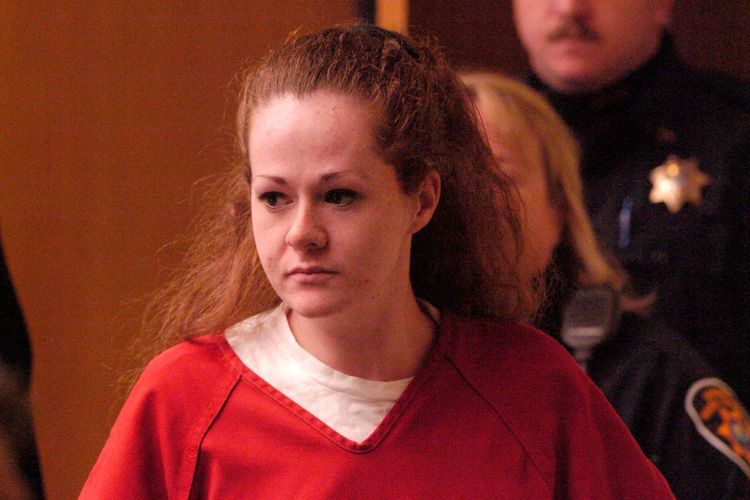
Pike’s attorneys have asked Tennessee Gov. Bill Lee to commute her death sentence, arguing that she has “endured punishment greater than any other person in the history of the American death penalty.”
They have also filed a motion asking the Tennessee Department of Correction to preserve all evidence connected to the failed execution.
In the filing, Pike’s lawyers described the state’s actions as “incompetent and reckless.”
“Apparently at no point did any member of the execution team realize that the IV lines were not correctly placed or that the veins had blown and that the pentobarbital was, in whole or in part, entering Ms. Pike’s body,” they wrote.
Pike was sentenced to death for the January 1995 murder of her 19-year-old classmate, Colleen Slemmer, whom she killed during what prosecutors described as a jealous rage.
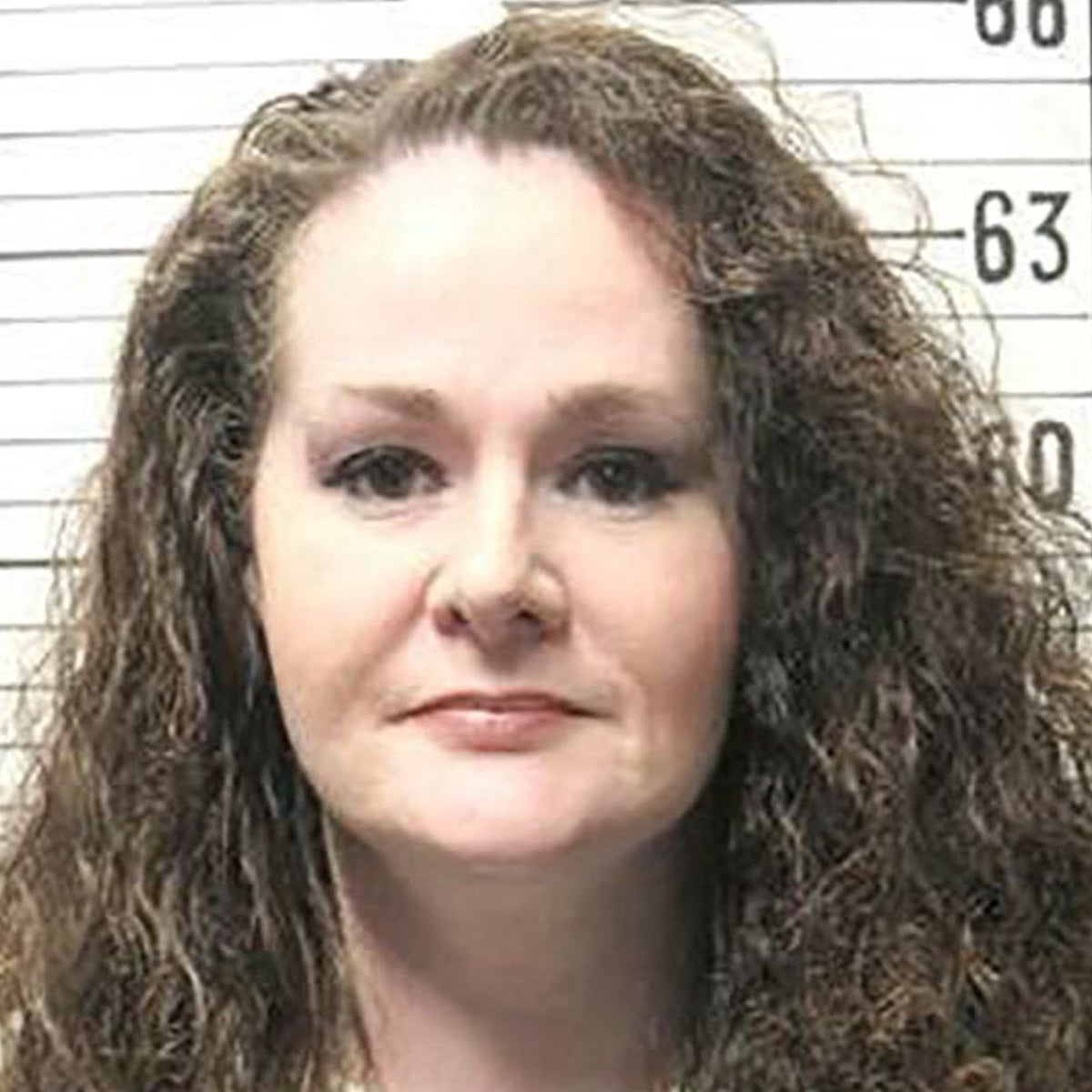
As Pike continues her recovery in the hospital, her medical condition, memories of the failed execution and the circumstances surrounding the lethal injection remain central to the legal battle over what happens next.
Source: Compiled from various sources