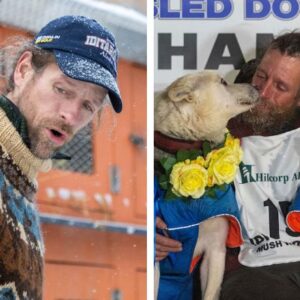
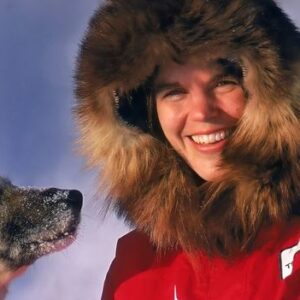
History was made at the Iditarod Trail Sled Dog Race on March 16 as Norwegian musher and businessman Kjell Inge Røkke became the first Expedition Musher to complete the legendary trail to Nome. His arrival marked the first-ever completion of the race’s newly introduced Expedition Class — a milestone that quickly drew attention across the dog mushing world, even as it left many fans trying to understand exactly what it meant.
Røkke finished the demanding journey of more than 1,500 kilometers from Anchorage to Nome in just under eight days. Although he was the first participant to reach Nome in this year’s event, his run took place under the new Expedition Class, a non-competitive category introduced in 2026. Participants in this class travel the historic Iditarod trail alongside the competitive field but are not part of the official race standings and do not compete for the championship or prize money.

The category was created to allow selected participants to experience the full route while maintaining the integrity of the competitive race. Expedition mushers are permitted to receive outside assistance, change dogs along the route, and follow more flexible rest schedules than those competing for the title.
According to Rob Urbach, Røkke’s finish represents the beginning of a new chapter for the event. Race officials say the class offers an opportunity to explore the historic trail while still maintaining strict veterinary supervision and safety rules for the sled dogs.
Røkke’s journey was not without challenges. Near the end of the race, his companion and mentor, Thomas Wærner — the 2020 Iditarod winner — was forced to withdraw after one of the dogs in his team became ill. Despite the setback, Røkke continued the final stretch to Nome and ultimately completed the trail.
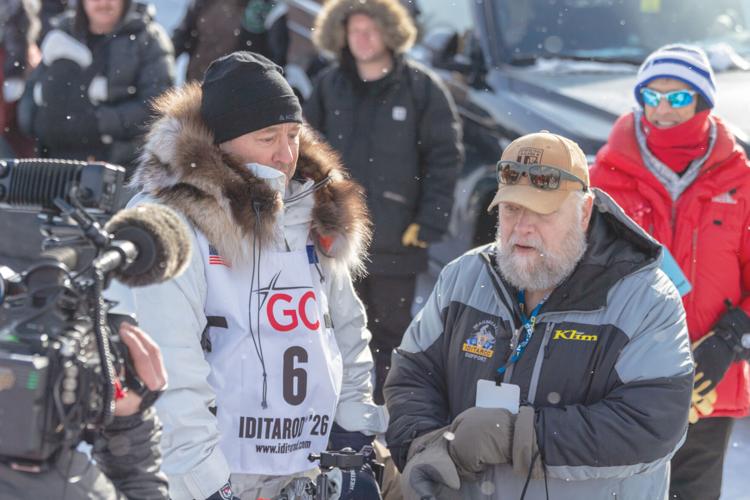
Preparation for the challenge had taken years. Wærner helped guide the Norwegian businessman through training and preparation for the nearly 1,000-mile journey across Alaska’s brutal winter terrain. Røkke later admitted that the first days on the trail were especially difficult, saying the experience gave him even greater respect for the professional mushers who compete in the race every year.
Beyond his participation, Røkke has also played a role in supporting the event financially. Reports indicate he helped increase the race purse by $100,000 to a total of $650,000 and contributed additional funding to the 17 Alaska Native villages that serve as checkpoints along the route.

Still, the historic finish quickly sparked debate among fans and followers of the race. Many congratulated Røkke for completing one of the most demanding trails in the world, while others questioned how the new class should be viewed alongside the traditional competition.
Some supporters celebrated the achievement. “Congratulations to you and your dogs who got you there safely,” one fan wrote, while another simply said, “Congrats! That was fast.”
Others, however, expressed confusion about the new category. One viewer asked, “I thought the Iditarod was the Iditarod. What’s this deal?” Another wondered how Røkke finished in less than eight days while the competitive race leaders were still on the trail.

A few longtime followers of the sport also raised concerns about the differences between the Expedition Class and the traditional race. Comments pointed out that expedition mushers can change dog teams, receive more outside support, and do not face the same mandatory rest requirements as competitive mushers.
Some fans said clearer explanations would help avoid confusion. One commenter noted that Røkke “completed the trail, not the race,” emphasizing the distinction between the Expedition category and the official competition.

Despite the debate, Røkke’s journey still marks a historic first for the event. Whether viewed as an experiment, a new opportunity for participants, or a controversial change, the Expedition Class has now officially begun its place in the evolving story of the Iditarod. Meanwhile, the traditional race continues across Alaska’s frozen wilderness as mushers battle toward Nome for the championship title.