The hockey world continues to mourn the loss of NHL legend Claude Lemieux, as heartbreaking new details emerge about the impact his death has had on his family — especially his son, Brendan.
A close family friend revealed that Brendan Lemieux was “completely destroyed” after discovering his father dead earlier this week.

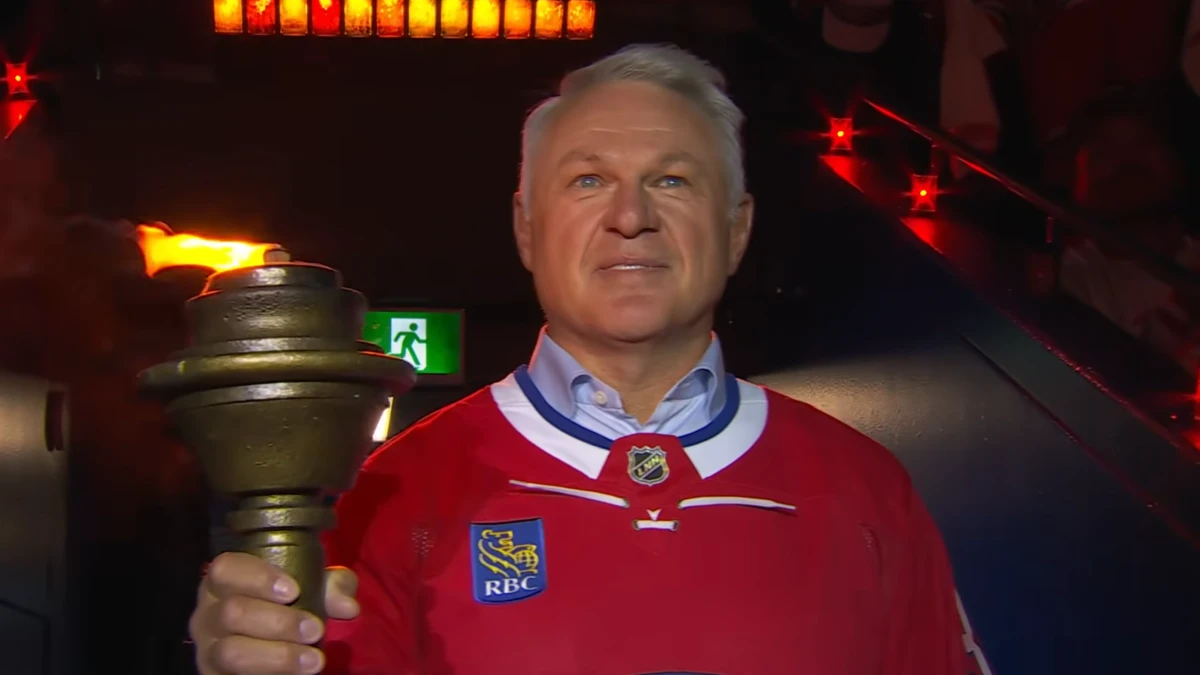
Claude Lemieux, a four-time Stanley Cup champion and one of the NHL’s most feared playoff performers, was found dead on Thursday, May 28, just days after making an emotional appearance at the Bell Centre in Montreal ahead of Game 3 of the Eastern Conference Final between the Canadiens and Carolina Hurricanes.
The 60-year-old hockey icon had appeared upbeat during the ceremony, where fans gave him a warm ovation as a guest of honor for the Canadiens franchise he helped lead to a Stanley Cup title in 1986.

However, authorities later confirmed Lemieux died by suicide.
According to reports, Lemieux was found shortly after 3:30 a.m. inside the warehouse section of his family’s furniture company in Palm Beach Gardens, Florida. His body was discovered by his son Brendan.
Friends of the family later revealed the former NHL star had been battling depression and emotional struggles in the months leading up to his death.
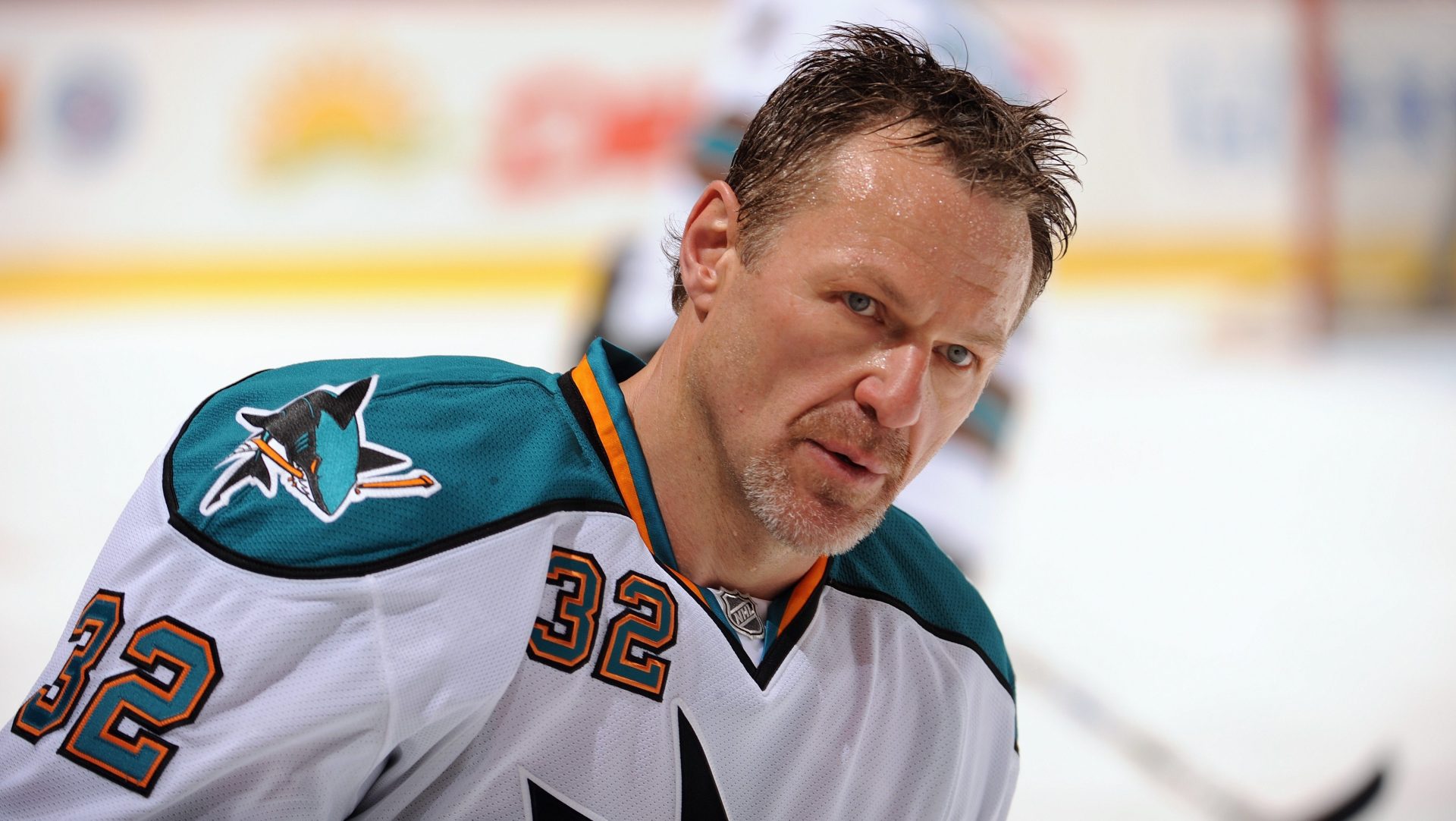
“They didn’t expect that at all, they never saw it coming,” said Colombe Lacroix, the widow of former Colorado Avalanche general manager Pierre Lacroix, who became close to Lemieux during his playing days in Colorado.
“He’s been going through a difficult time, he was depressed,” she added.
“It’s so devastating, everyone is upside down. Brendan is completely destroyed.”
Brendan Lemieux, 30, followed in his father’s footsteps by becoming a professional hockey player himself. The forward spent seven seasons in the NHL playing for teams including the New York Rangers and Los Angeles Kings before moving to Switzerland, where he currently plays for HC Davos.
Claude Lemieux leaves behind four children from two marriages.
Longtime Montreal hockey columnist Réjean Tremblay, who knew Lemieux for more than 30 years, also opened up about the emotional burdens the former winger reportedly carried throughout his life.
According to Tremblay, Lemieux struggled deeply with feelings of rejection, particularly after being demoted to the minor leagues early in his career and later being overlooked for induction into the Hockey Hall of Fame following his retirement in 2009.

“He always lived this as an injustice, a heavy burden to bear,” Tremblay said. “The sense of rejection ran deeper than one might have imagined. He took it very hard.”
Tremblay also suggested the emotional tribute Lemieux received in Montreal just days before his death may have resurfaced painful memories.
“It’s possible that surge of love, that wave of love on Monday evening, triggered an emotion that was too intense,” he said. “It might have reawakened old pains, old suffering.”

Born in Buckingham, Quebec, Lemieux built a legendary NHL career spanning more than two decades. He won Stanley Cups with the Montreal Canadiens, New Jersey Devils and Colorado Avalanche and became known as one of hockey’s greatest postseason performers.
In 234 playoff games, Lemieux scored 80 goals — the ninth-most in NHL postseason history — while adding 78 assists.
His death has sent shockwaves throughout the hockey community, with tributes continuing to pour in from former teammates, fans and organizations across the league.